Inside the Digital Factory: How Technology is Transforming Manufacturing


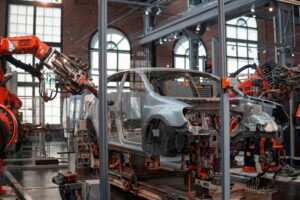
The concept of the “digital factory” is revolutionizing the manufacturing world. With the rapid adoption of advanced technologies, manufacturers are streamlining processes, improving quality, and gaining new insights into operations. At its core, a digital factory integrates digital tools and data to create a seamless production environment that boosts productivity and fosters innovation. Through connected machines, real-time analytics, and automation, manufacturers can now optimize workflows and minimize waste, enhancing efficiency in ways that were unimaginable just a few decades ago.
Manufacturers implementing digital factories are finding that this shift isn’t just about technology but a new approach to production. By using data-driven insights, companies can make better decisions and respond swiftly to market demands. As technology evolves, the digital factory represents a crucial step toward a more efficient, adaptive, and sustainable manufacturing industry.
Leveraging Data for Smarter Decisions
Data is the backbone of the digital factory, and manufacturers leverage it to make smarter, faster decisions. Through sensors and connected devices, data is continuously gathered from various points in the production process. This information provides a real-time view of operations, allowing manufacturers to monitor machine performance, track quality, and identify potential issues before they escalate.
With data-driven insights, manufacturers can improve their response to problems and reduce downtime. For instance, predictive maintenance, powered by artificial intelligence (AI) and machine learning (ML), enables companies to anticipate equipment failures. Instead of waiting for a breakdown, manufacturers can proactively address issues, ensuring continuous productivity and avoiding costly disruptions. Furthermore, using data to optimize energy consumption and material usage allows companies to achieve sustainability goals while maintaining high output standards.
Beyond operational efficiency, data in a digital factory fosters better decision-making across the board. Leaders can use these insights to adjust production schedules, manage supply chains, and ensure that products meet quality standards. This approach saves time and resources and empowers manufacturers to remain competitive in a fast-paced market. As the importance of data grows, digital factories are setting the stage for a new era of smarter, data-driven manufacturing.
Automation and Robotics: Driving Efficiency and Precision
Automation and robotics are essential to the digital factory, making processes more efficient and precise. With robotic arms, autonomous guided vehicles (AGVs), and intelligent software systems, digital factories can handle repetitive tasks with high accuracy, freeing up human workers for more complex duties. By integrating these technologies, manufacturers can increase output without compromising quality, meeting consumer demands faster.
Moreover, robots and automation technologies reduce human error, improving consistency in product quality. Automated systems can complete tasks within exact specifications, ensuring uniformity in production. This consistency is especially valuable in automotive or electronics manufacturing industries, where precision is critical. As a result, manufacturers can meet stringent quality standards, reduce product defects, and enhance customer satisfaction.
Automation also offers a way to address labor shortages in the manufacturing industry. Many manufacturers face challenges finding skilled workers, particularly for repetitive manual labor. Robotics and automation fill this gap by performing tasks that do not require constant human oversight, allowing manufacturers to maintain productivity even when labor is limited. Ultimately, digital factories can improve efficiency, reduce costs, and enhance product quality by embracing automation, setting the foundation for sustainable growth.
Real-Time Monitoring and Quality Control
Real-time monitoring and quality control are pivotal components of the digital factory, helping manufacturers maintain standards while optimizing processes. Manufacturers can monitor every aspect of production in real-time through IoT (Internet of Things) devices and digital platforms. This capability enables them to identify issues immediately and take corrective actions before they impact the final product.
Digital factories utilize advanced quality control systems to detect variations or inconsistencies during production. For example, image recognition software and AI algorithms can examine products on the production line, identifying defects or deviations from specifications. When problems arise, the system flags them for review or correction, ensuring that only high-quality products reach the end of the line. This level of precision in quality control minimizes waste and helps manufacturers avoid costly recalls or rework.
Real-time monitoring also supports continuous improvement in production. By analyzing data from the factory floor, manufacturers can identify trends, patterns, and areas that require improvement. They can then implement changes to enhance efficiency and quality, creating a cycle of constant enhancement. With real-time quality control, digital factories ensure that products meet high standards while adapting quickly to any needed adjustments in the production process.
Enhancing Collaboration with Digital Twins
Digital twins are one of the most innovative tools in the digital factory, offering a virtual replica of physical systems, products, or processes. By creating a digital twin, manufacturers can simulate, analyze, and optimize various aspects of production before implementing changes in the real world. This capability enables companies to experiment with different scenarios, helping them make better decisions with minimal risk.
Through digital twins, manufacturers can improve collaboration among different teams. For instance, design, engineering, and production teams can use a digital twin to test ideas, assess feasibility, and identify potential issues early in development. This collaboration reduces costly errors and shortens the product development cycle, bringing products to market faster. Additionally, manufacturers can optimize workflows and enhance efficiency using digital twins to simulate production.
Furthermore, digital twins help companies manage and maintain their equipment more effectively. By monitoring the digital twin of a machine or production line, manufacturers can assess performance, detect abnormalities, and schedule maintenance proactively. This approach reduces downtime, extends equipment lifespan, and ensures smooth operations. With the continued advancement of digital twin technology, manufacturers can expect even greater precision, efficiency, and collaborative potential in their digital factories.
Preparing for the Future: Flexibility and Adaptability
As digital factories evolve, flexibility and adaptability will be essential for success. The pace of technological change in manufacturing is rapid, and companies need to remain agile to respond to new advancements and market demands. One of the most significant advantages of a digital factory is its ability to adapt quickly to changing conditions, from fluctuating demand to shifts in the supply chain.
In today’s globalized economy, supply chain disruptions are a reality for many manufacturers. Digital factories with adaptable systems and real-time data can navigate these challenges more effectively. When supply chain issues arise, manufacturers can adjust their production schedules, source alternative materials, or change processes to maintain continuity. This flexibility helps manufacturers remain resilient despite external pressures, reducing potential losses and protecting profitability.
The digital factory will continue incorporating new technologies, from AI-driven decision-making to advanced robotics. To stay competitive, manufacturers must embrace this digital transformation and build a culture of continuous innovation. By fostering a workforce skilled in digital tools and adaptable to change, companies can fully harness the potential of the digital factory. In doing so, they position themselves to survive and thrive in an increasingly digital and data-driven world.
The digital factory represents a fundamental shift in how manufacturers approach production. Manufacturers can achieve unprecedented efficiency, quality, and adaptability by leveraging data, automation, real-time monitoring, digital twins, and flexibility. As the manufacturing industry embraces digital transformation, the digital factory will play a central role in shaping a more agile, sustainable, and competitive landscape.