Inside the Digital Factory: How Technology Powers Modern Production


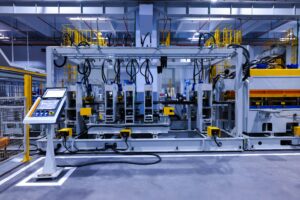
The world of manufacturing has transformed dramatically with the rise of digital technology. Factories are no longer just about machines and manual labor. They are now smart, automated, and highly efficient, thanks to artificial intelligence (AI), the Internet of Things (IoT), and robotics. These innovations define the digital factory, where technology drives productivity and efficiency.
The Evolution of Modern Production
Manufacturing has always evolved with technology. The Industrial Revolution introduced machines powered by steam and electricity. The fourth Industrial Revolution (Industry 4.0) shapes production with automation, data analytics, and smart systems.
Digital transformation in manufacturing is no longer optional. Companies that fail to adopt smart factory solutions struggle to compete. Efficiency, precision, and cost reduction have become essential in modern production.
The Role of Automation in Manufacturing
Automation is a game-changer in industrial production. Machines now handle tasks that once required human intervention. From assembling products to managing warehouses, automation improves speed and accuracy.
How Robotics Enhance Production Efficiency
Industrial robots have become essential in smart manufacturing. They perform repetitive tasks with high precision, reducing human error. Robots can adapt to new processes and improve over time with AI-powered systems.
The Impact of IoT on Smart Factories
The Internet of Things (IoT) connects machines, sensors, and systems, creating an interconnected production environment. Real-time data collection allows manufacturers to monitor performance, detect failures, and optimize production processes.
- IoT sensors track machine health and prevent breakdowns.
- Connected devices streamline supply chain management.
- Smart analytics provide insights for better decision-making.
Artificial Intelligence in Production
AI revolutionizes modern manufacturing with predictive maintenance, quality control, and supply chain optimization. Machine learning algorithms analyze vast amounts of data to identify patterns and trends.
Predictive Maintenance Reduces Downtime
Unplanned downtime can be costly. AI-driven predictive maintenance helps prevent equipment failures by detecting potential issues before they occur. This improves operational efficiency and reduces repair costs.
AI-Powered Quality Control
AI-driven cameras and sensors inspect products with unmatched precision. They detect defects the human eye might miss, ensuring higher product quality and consistency.
Cloud Computing and Big Data in Manufacturing
Cloud-based solutions allow manufacturers to store, access, and analyze vast data. This enables real-time decision-making and enhances collaboration across global production sites.
Big data analytics help manufacturers understand production trends and optimize workflows for maximum efficiency. Businesses can adjust operations based on demand forecasts, minimizing waste and maximizing output.
The Rise of Digital Twins in Manufacturing
A digital twin is a virtual replica of a physical factory, machine, or process. This technology allows manufacturers to simulate production processes, test scenarios, and optimize performance before making real-world changes.
By using digital twins, businesses can:
- Identify bottlenecks in production.
- Improve product design through simulations.
- Reduce downtime with proactive solutions.
Cybersecurity Challenges in Smart Factories
As factories become more connected, cybersecurity risks increase. Protecting sensitive production data and industrial systems is crucial. Cyberattacks can disrupt operations, leading to significant financial losses.
Manufacturers must implement strong cybersecurity measures such as:
- Secure network infrastructure.
- Regular system updates and patches.
- Employee training on cybersecurity best practices.
The Future of Digital Manufacturing
The future of smart factories lies in continuous innovation. Emerging technologies like 5G, blockchain, and edge computing will further enhance digital production.
- 5G connectivity will enable faster data exchange in manufacturing.
- Blockchain technology can improve supply chain transparency and security.
- Edge computing will allow faster data processing at the production level.
The digital factory is revolutionizing modern production by integrating automation, AI, IoT, and robotics. These advancements improve efficiency, reduce costs, and enhance product quality. Manufacturers that embrace digital transformation will lead the industry into the future.
By leveraging smart factory technology, businesses can stay competitive, increase productivity, and optimize operations. The journey toward a fully digitalized manufacturing world has only just begun.