Does America Really Need Manufacturing?


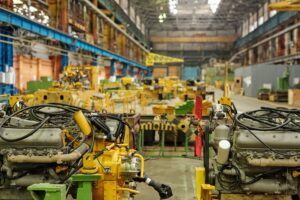
For decades, American manufacturing was the backbone of the nation’s economy. Factories churned out cars, electronics, textiles, and countless other goods, providing millions of stable jobs. However, as service industries expanded and globalization took hold in recent years, many began questioning the importance of manufacturing in America.
So, does America need manufacturing in the 21st century? The simple answer is yes. A strong manufacturing sector remains essential for economic stability, national security, technological innovation, and job creation. Without it, the country risks losing its competitive edge, economic independence, and the foundation that has long supported middle-class prosperity.
In this article, we will explore the critical role of American manufacturing, how it impacts the economy, and why revitalizing this sector is more important than ever.
The Economic Importance of Manufacturing in America
Manufacturing drives economic growth in ways that many other industries cannot. The sector contributes significantly to GDP and supports millions of jobs directly and indirectly. Every dollar spent on manufacturing adds about $2.74 to the U.S. economy, more than any other sector.
Manufacturing also stimulates demand across multiple industries. Factories need raw materials, machinery, logistics, and countless other services when producing goods. This supply chain effect amplifies manufacturing’s contribution to the economy.
Beyond GDP, manufacturing jobs often pay higher wages than service-sector roles. These well-paying jobs help sustain the middle class, providing families the means to buy homes, invest in education, and stimulate local economies.
Key benefits of U.S. manufacturing for the economy:
- High-paying jobs that support middle-class families
- The multiplier effect on other industries (logistics, materials, services)
- Significant contribution to national GDP and exports
- Strengthening local communities and small businesses
Manufacturing and National Security
Another critical reason America needs manufacturing is national security. The ability to produce essential goods domestically is vital, especially during times of crisis. Relying on foreign suppliers for critical materials, technologies, or defense equipment can leave the nation vulnerable.
The COVID-19 pandemic exposed significant weaknesses in global supply chains. Shortages of medical equipment, semiconductors, and even basic goods highlighted the risks of outsourcing too much production. A strong American manufacturing base ensures the country can produce what it needs in emergencies, from ventilators to defense systems.
Why manufacturing matters for national security:
- Reduces reliance on foreign suppliers for essential goods
- Ensures a steady supply of military equipment and technologies
- Enhances supply chain resilience during crises
- Protects critical infrastructure and key industries
Job Creation and the Manufacturing Workforce
Manufacturing jobs have historically been a pillar of the American middle class. Though automation and offshoring have reduced the number of factory jobs, the sector still supports millions of workers. Furthermore, the rise of advanced manufacturing technologies creates new roles requiring skilled labor.
These jobs go beyond the factory floor. Engineers, technicians, supply chain managers, and IT specialists play roles in modern manufacturing operations. The need for workers skilled in robotics, additive manufacturing, and data analytics is growing rapidly.
Key reasons why manufacturing supports the workforce:
- Provides stable, high-wage jobs across skill levels
- Expands opportunities in both blue-collar and white-collar roles
- Supports workforce development and technical education
- Contributes to social mobility and middle-class growth
Investing in vocational training, apprenticeships, and STEM education can help close the skills gap and prepare the next generation for careers in U.S. industry.
Innovation and Technological Leadership
Manufacturing drives innovation. Many of the world’s most groundbreaking technologies were developed in tandem with manufacturing processes. Think about how the automotive industry spurred advancements in robotics or how semiconductor production enabled the tech revolution.
In the U.S., the manufacturing sector accounts for most private-sector R&D investments. Factories are testing grounds for new materials, automation systems, and energy-efficient processes. By leading in manufacturing innovation, the U.S. can maintain its position as a global technology leader.
How manufacturing fuels innovation:
- Supports research and development (R&D)
- Drives advancements in materials science, robotics, and AI
- Encourages process innovations that improve efficiency
- Helps bring new products to market faster
Without a strong manufacturing base, America risks falling behind in emerging industries like renewable energy, electric vehicles, and biotechnology.
Supply Chain Resilience and Economic Independence
The past few years have shown the fragility of global supply chains. Whether due to natural disasters, pandemics, or geopolitical tensions, disruptions have led to product shortages and economic instability.
Reshoring manufacturing—bringing production back to the U.S.—is one solution. It strengthens supply chains, reduces dependency on foreign markets, and shortens lead times. Companies that restore can better control quality, protect intellectual property, and respond more quickly to consumer demands.
Benefits of reshoring manufacturing to the U.S.:
- Increased supply chain resilience
- Improved product quality and consistency
- Faster time-to-market for goods
- Strengthened economic independence
By producing more goods domestically, America can reduce vulnerabilities and create a more stable economic foundation.
Sustainability and Green Manufacturing
Sustainable manufacturing is another reason to invest in American industry. U.S. factories are subject to stricter environmental regulations than countries with cheaper labor. Producing goods domestically can reduce the carbon footprint associated with long-distance shipping while adhering to higher environmental standards.
Many manufacturers are also in charge of adopting green practices, such as using renewable energy, recycling materials, and minimizing waste. By supporting sustainable manufacturing, the U.S. can reduce its environmental impact and create jobs in the growing green economy.
How U.S. manufacturing supports sustainability:
- Reduces emissions through cleaner production methods
- Lowers transportation-related carbon footprints
- Promotes recycling and circular economy practices
- Supports the transition to renewable energy and green technologies
The Role of Government in Supporting U.S. Industry
Revitalizing American manufacturing requires coordinated efforts from both the private and public sectors. Government policies can play a significant role in fostering growth, innovation, and competitiveness.
Key strategies to support U.S. manufacturing:
- Tax incentives for reshoring and investing in advanced technologies
- Funding for R&D and innovation hubs
- Infrastructure improvements to support logistics and production
- Education and workforce development programs
Trade policies also impact manufacturing. Balancing free trade with protections for critical industries ensures that American businesses can compete globally without sacrificing national interests.
Challenges Facing American Manufacturing
While the benefits of manufacturing are clear, the sector still faces significant challenges:
- Global competition: Countries with lower labor costs can produce goods more cheaply, making it difficult for U.S. manufacturers to compete on price alone.
- Skills gap: Many manufacturers struggle to find workers with the technical skills needed for modern, high-tech production environments.
- Automation and job displacement: While automation improves efficiency, it also displaces some traditional jobs, creating the need for retraining and upskilling.
- Supply chain vulnerabilities: Dependence on global supply chains increases the risk of disruptions, as seen during the COVID-19 pandemic.
Addressing these challenges requires investment in technology, workforce training, and policies that support domestic production.
The Future of American Manufacturing
Despite the challenges, the future of U.S. industry holds promise. Emerging technologies like additive manufacturing, AI, and advanced robotics are opening new opportunities. With the right investments and policies, American manufacturing can thrive and play a central role in the economy.
The shift towards smart factories—connected, data-driven production environments—will improve efficiency and create new high-skill jobs. Sustainability initiatives will also drive demand for green technologies, from solar panels to electric vehicles.
America Needs Manufacturing Now More Than Ever
The question, “Does America need manufacturing?” has a clear answer: yes. A strong manufacturing sector is vital for economic growth, national security, innovation, and job creation. It supports millions of families, drives technological advancements, and strengthens the nation’s resilience in global challenges.
Rebuilding and revitalizing American manufacturing is not just an economic strategy—it’s a path to long-term stability, prosperity, and leadership on the global stage. Now is the time to invest in the future of U.S. industry and ensure that manufacturing remains a cornerstone of American strength.